A good bottle of mezcal in Mexico costs between MXN 545 and MXN 2,833 depending on three things: the agave, the still and who made it. Twelve brands below cover that whole range, from supermarket Espadín to clay-pot Tobalá, each with its current price at a Mexican producer or retailer. The label section at the end explains the fields that matter more than the brand name.
Prices are for 750 ml unless noted and come from the linked shop pages.
Entry level: Espadín for MXN 545–763
These are the bottles in every Oaxaca supermarket and most cocktail bars abroad. All are Espadín, and all are proofed for the mass market rather than bottled at still strength.
- 400 Conejos Joven, 700 ml, MXN 545 (Bodegas Alianza). Matatlán Espadín, pit-cooked and mild; the safe first bottle.
- Unión Uno, MXN 608 (Panoli). Espadín with a share of Cirial, which adds a herbal edge; the cocktail mezcal at this price.
- Rey Campero Espadín, MXN 632 (El Palacio de Hierro). A single-village Espadín at an entry price; the bar-industry favourite of this group.
- Montelobos Espadín, MXN 689 (Las Barricas). Organic Espadín; wet earth, cut grass, honey on the nose per the retailer’s notes.
- Amores Espadín, MXN 699 (Vid Mexicana). Citrus and wildflowers, light smoke; a gentle sipper.
- Bruxo No. 1, MXN 735 (Vinos América). Drier and smokier than Amores.
- Del Maguey Vida, MXN 763 (Vinos América). The brand that put single-village mezcal on world bar menus; Vida is its mixing bottle.
Before spending on one of the wild-agave bottles below, taste across the range: the five-hour Mezcal Tour Oaxaca (from $101, 4.7★ from 60 reviews) includes a full tasting at a working distillery plus an agave plantation, which is the cheapest way to find out whether you are a Tobalá person or a Madrecuixe person.
Book a mezcal experience
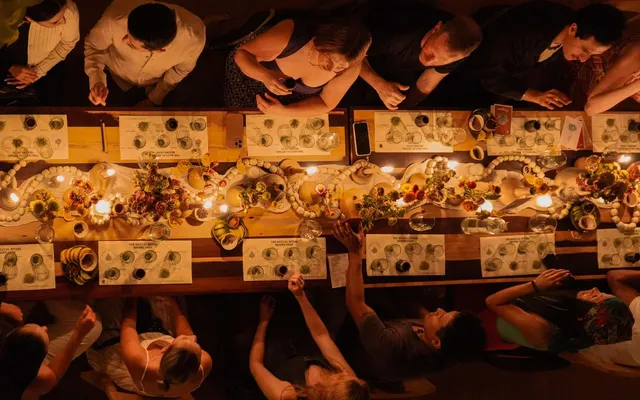
Candlelight Mezcal Tasting with Wild Agaves
From $87 per person
2 hours · English, Spanish · Free cancellation
Five wild-agave mezcals in a candlelit restored house, with water, accompaniments and a gift. The provider is FUEGO SILVESTRE EXPERIENCE.
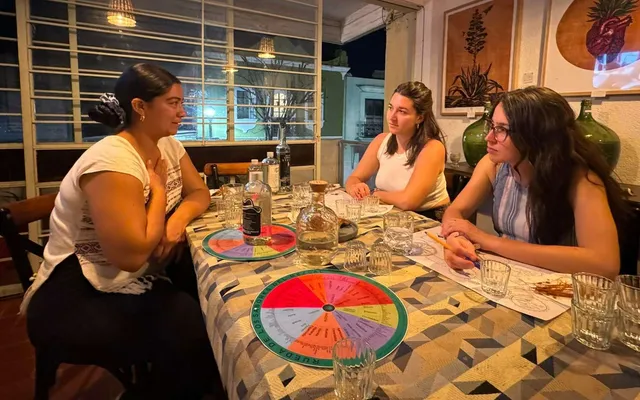
The Best Mezcal Tasting
From $40 $36 per person
2 hours · English, Spanish · Up to 10 · Free cancellation
City tasting with six or more mezcals, snacks, a cocktail and audiovisual production explanations. Listed maximum 10 guests; adults 18+.
Artesanal single-village: MXN 850–1,140
Same plant, but a named maestro mezcalero, a named village and a batch number on the label.
- Mezcal Vago Espadín Jarquín, MXN 850, and Espadín Joel, MXN 850 (Vago shop). Two Espadíns from two producers, Emigdio Jarquín and Joel Barriga; buy both and you have the clearest lesson in why the maker matters.
- Vago Elote, MXN 850. Espadín re-distilled with roasted corn; sweet, savoury, the bottle that converts sceptics.
- Alipús San Andrés, 48%, MXN 909 (Vinos y Licores). San Andrés Miahuatlán, stone pit, copper still, flowers and cooked agave with a long dry finish.
- Koch El Mezcal, Ancestral Espadín olla de barro, MXN 1,036 (El Palacio de Hierro). Clay-pot Espadín at the lowest price you will find for the Ancestral category.
Ancestral clay pot: MXN 1,300–2,031
Distilled in clay pots over direct fire, mostly in Santa Catarina Minas. Softer, rounder, less smoke, more agave.
- Vago Espadín en Barro, MXN 1,300, and Espadín en Barro Madurado en Cántaro, MXN 1,400 (Vago shop). Both by Tío Rey; the second rests in glass and then clay before bottling.
- Real Minero Espadín, MXN 2,031 (Real Minero shop). The Ángeles family in Santa Catarina Minas (Mezcal Reviews); the reference clay-pot house, with 375 ml bottles at MXN 1,209 if you want to try before committing.
Wild and rare agaves: MXN 1,700–2,833
The plants take 10–35 years to mature and yield a fraction of Espadín, so the price is the plant, not the packaging.
- Vago MadreCuishe, MXN 1,700; Tepeztate–Espadín ensamble, MXN 1,700; Mexicano, MXN 1,700; Jabalí con Espadín, MXN 2,000 (Vago shop).
- El Jolgorio Tobalá, MXN 2,145 (Casa Cortés). Casa Cortés’ wild-agave line; the Tobalá is from San Baltazar Guelavila.
- Real Minero Tobalá capón, MXN 2,615; Cuishe, MXN 2,468; Arroqueño, MXN 2,833 (Real Minero shop). “Capón” means the flower stalk was cut and the plant left to concentrate sugar for months before harvest.
- In Situ house Tepextate, MXN 2,000–2,100 in copper or clay versions, sold at the bar’s own shop in Oaxaca (In Situ).
Types at a glance
| Type | What it is | Price tier | Try first |
|---|---|---|---|
| Espadín | Cultivated A. angustifolia, 5–9 years | MXN 545–909 | Rey Campero, Vago Jarquín |
| Ensamble | Two or more agaves cooked and distilled together | MXN 608–1,700 | Unión Uno, Vago Tepeztate–Espadín |
| Ancestral / en barro | Clay-pot distillation, any agave | MXN 1,036–2,031 | Koch, Real Minero Espadín |
| Tobalá | Wild A. potatorum, 10–15 years | MXN 2,145–2,615 | El Jolgorio, Real Minero |
| Cuishe / Madrecuishe | Wild A. karwinskii, 9–20 years | MXN 1,700–2,468 | Vago MadreCuishe |
| Tepeztate | Wild A. marmorata, 25–35 years | MXN 1,700–2,100 | Vago ensamble, In Situ |
| Arroqueño | A. americana, 20–25 years | MXN 2,833 | Real Minero |
| Pechuga / destilado con | Re-distilled with fruit, grain and meat | MXN 850–2,725 | Vago Elote, Real Minero Pechuga (MXN 2,725) |
Agave ages from Difford’s Guide.
How to read the label
A Mexican mezcal label is more informative than most wine labels once you know the fields. NOM-070 requires most of them.
- Category: Mezcal, Mezcal Artesanal or Mezcal Ancestral. Equipment, not quality; Artesanal is the norm for anything good, Ancestral means clay pot and earth pit only.
- Class: Joven (unaged), Reposado, Añejo, Abocado con (infused after distillation), Destilado con (ingredients in the still; pechuga lives here).
- Agave: species and common name, for example Agave potatorum, Tobalá. If it says “100% agave” without naming one, it is probably Espadín.
- Village and state: Santiago Matatlán, Santa Catarina Minas, San Luis del Río, Miahuatlán. Same agave, different village, different mezcal.
- Maestro mezcalero: the producer’s name. Brands that print it (Vago, Real Minero, El Jolgorio, Alipús) are telling you who to thank.
- ABV: 35–55% by law. Palenque bottles commonly land in the high 40s (Alipús San Andrés: 48%); 38–40% usually means it was proofed down for the mass market.
- Lote: batch number. A pit load of Espadín yields roughly 320 litres (Mezcalistas), so the same label can vary from lot to lot; keep a photo of the bottle you liked.
- Certification: the mezcal regulator’s mark and the producer’s NOM number. Their absence on a market bottle means the spirit is uncertified, not necessarily bad, but you are trusting the seller.
Where to buy in Oaxaca
Three shops in the Centro carry most of the bottles above. Mezcalillera at Murguía 403A sells almost every artisanal brand in the city and pours tastes of what it sells, Monday to Saturday 11:30 am–9 pm (Yelp). In Situ at Vicente Guerrero 413 runs a bottle shop alongside the bar (In Situ). Mezcaloteca sells online while its tasting room moves to a new address in October 2026 (Mezcaloteca).
For a night of comparing before you buy, see mezcalerías in Oaxaca City; for the vocabulary, Mezcal 101; and for the reason a Tobalá costs three times an Espadín, how mezcal is made.